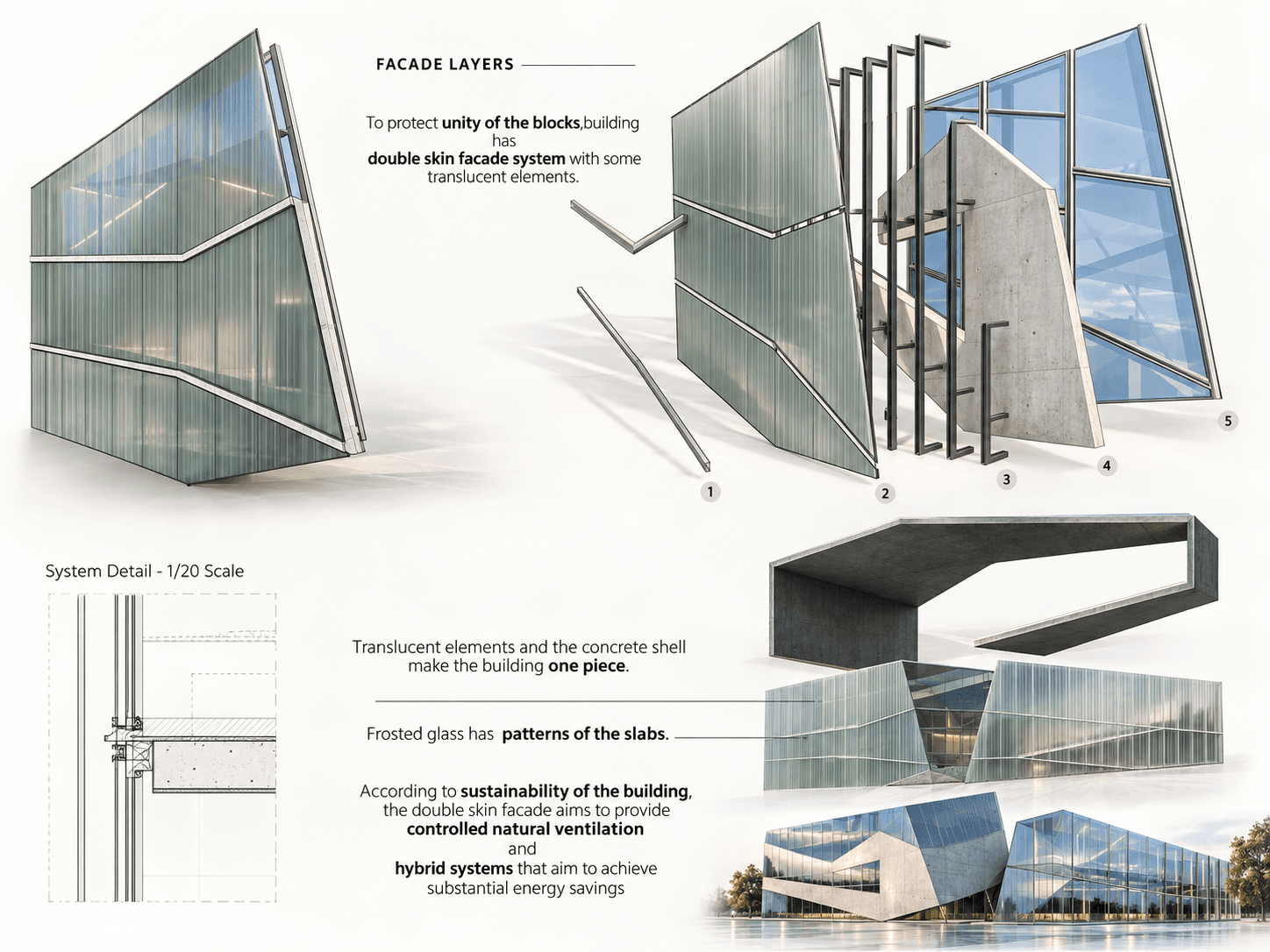
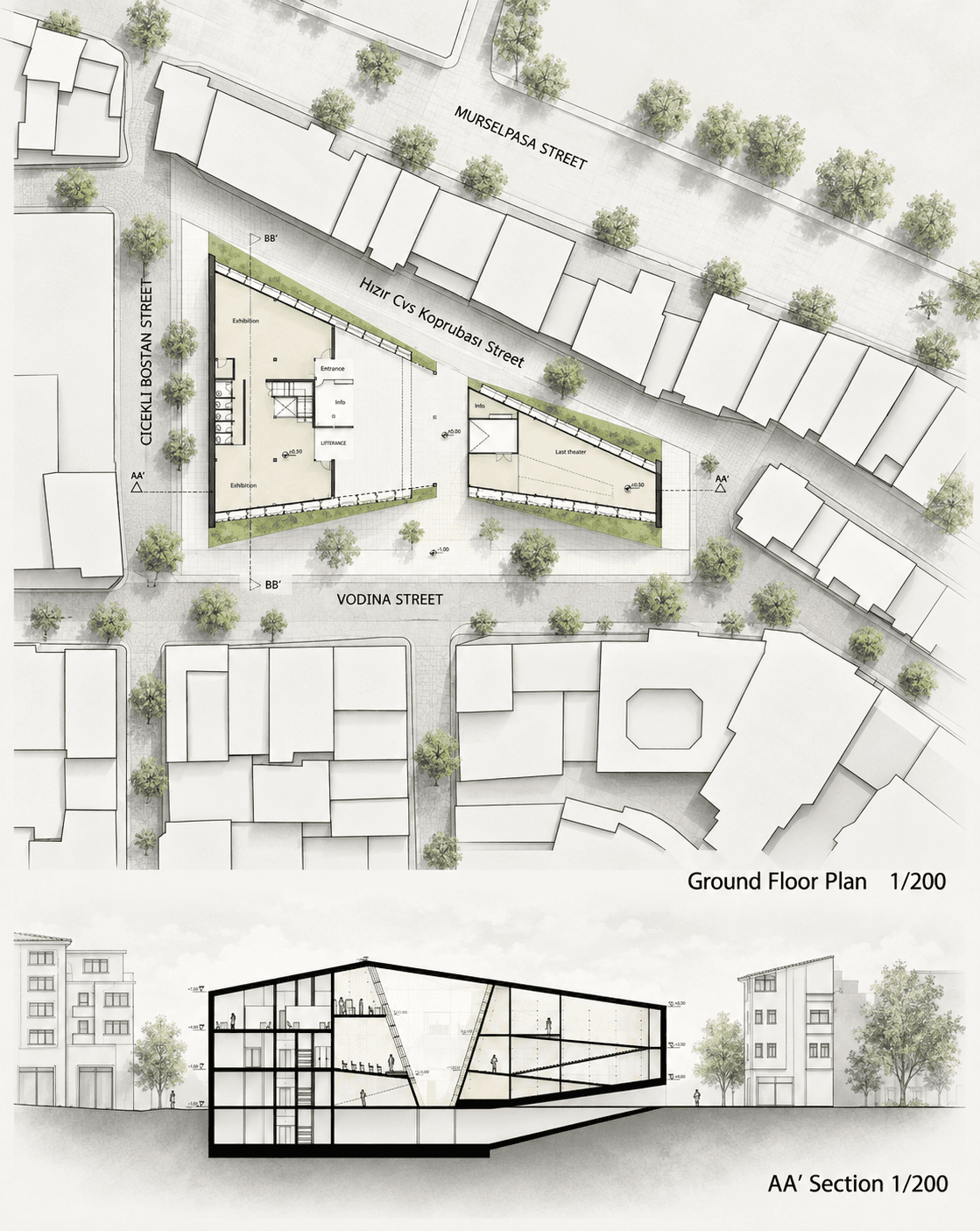
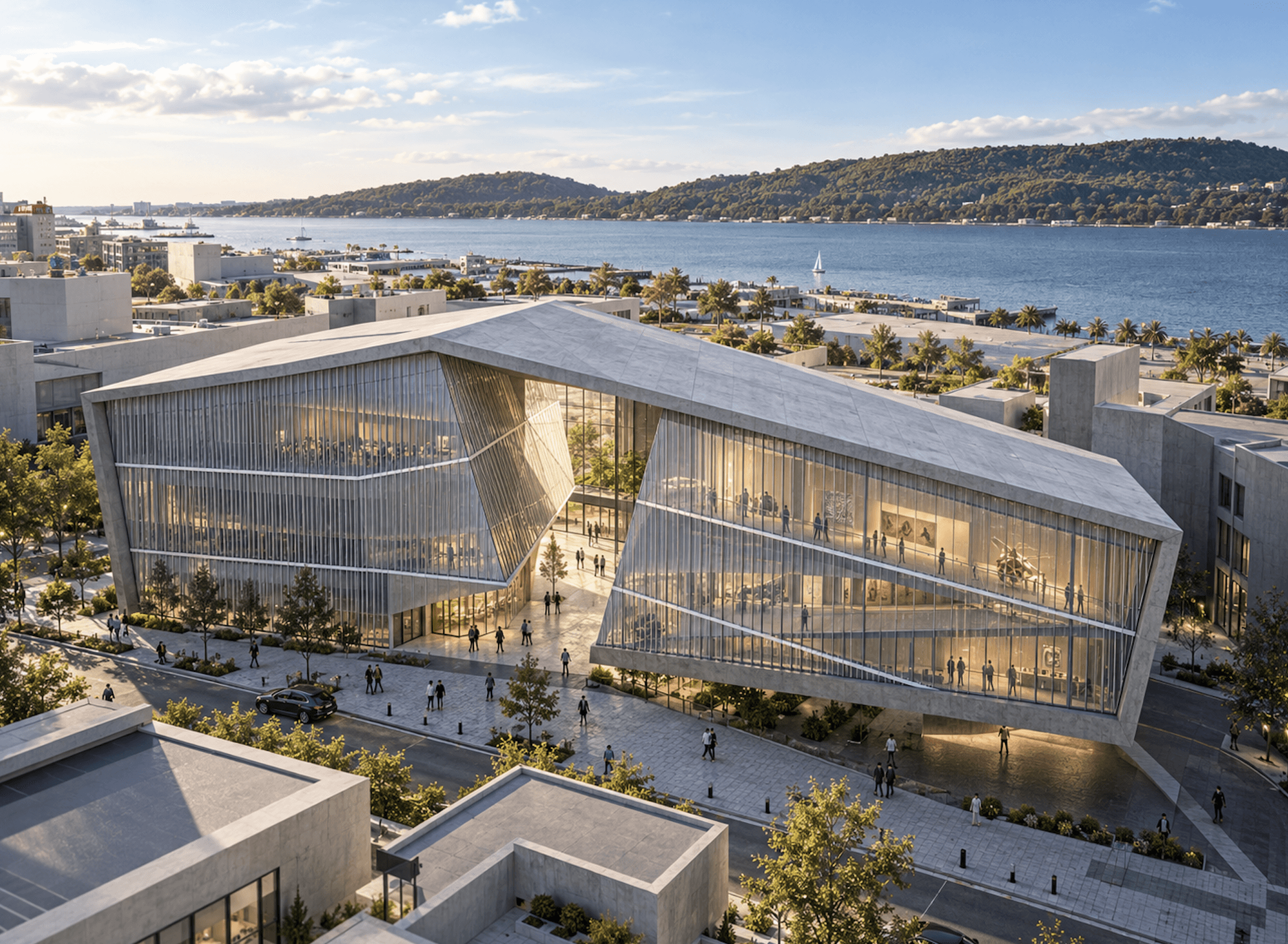
BALAT COMMUNITY CENTER
INTRO / TIME & CONTEXT
How can a Community Center be defined through the relationship between people and the context in which they exist?
When the design site is located in Balat, one of Istanbul’s oldest settlements, the relationship between people and their environment becomes especially significant. However, Balat’s history refers only to particular moments in time. What should be examined more fundamentally is Balat’s relationship with time itself.
The project begins by investigating how a place relates to time and by considering the site through multiple temporal layers. In this context, the site is interpreted as two distinct zones.
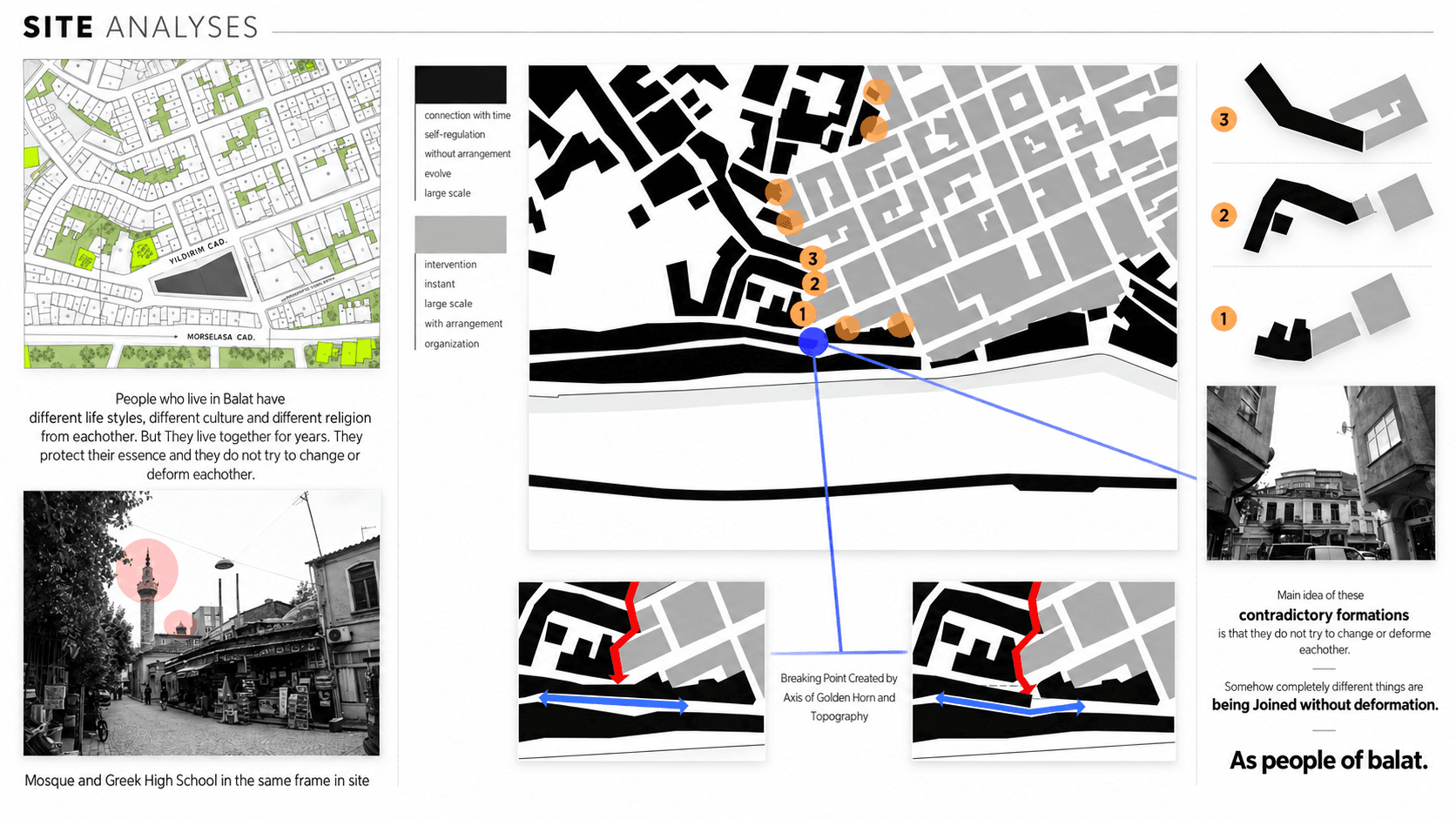
GREY ZONE
The Grey Zone represents an area that has been subjected to deliberate physical interventions at certain periods within the framework of urban planning. In terms of its relationship with time, these interventions are sudden and affect a relatively large area. They can be described as large-scale transformations or reorganizations taking place within a short period of time.
BLACK ZONE
The Black Zone, on the other hand, has developed through a completely different relationship with time. Without any sudden intervention, its formation begins with an axis generated by the Golden Horn and continues through changes in topography. Rather than being shaped by a conscious act of planning, the area has developed through a process of self-regulation. Although large in scale, this transformation has occurred gradually over an extended period of time, creating a continuous process of evolution.
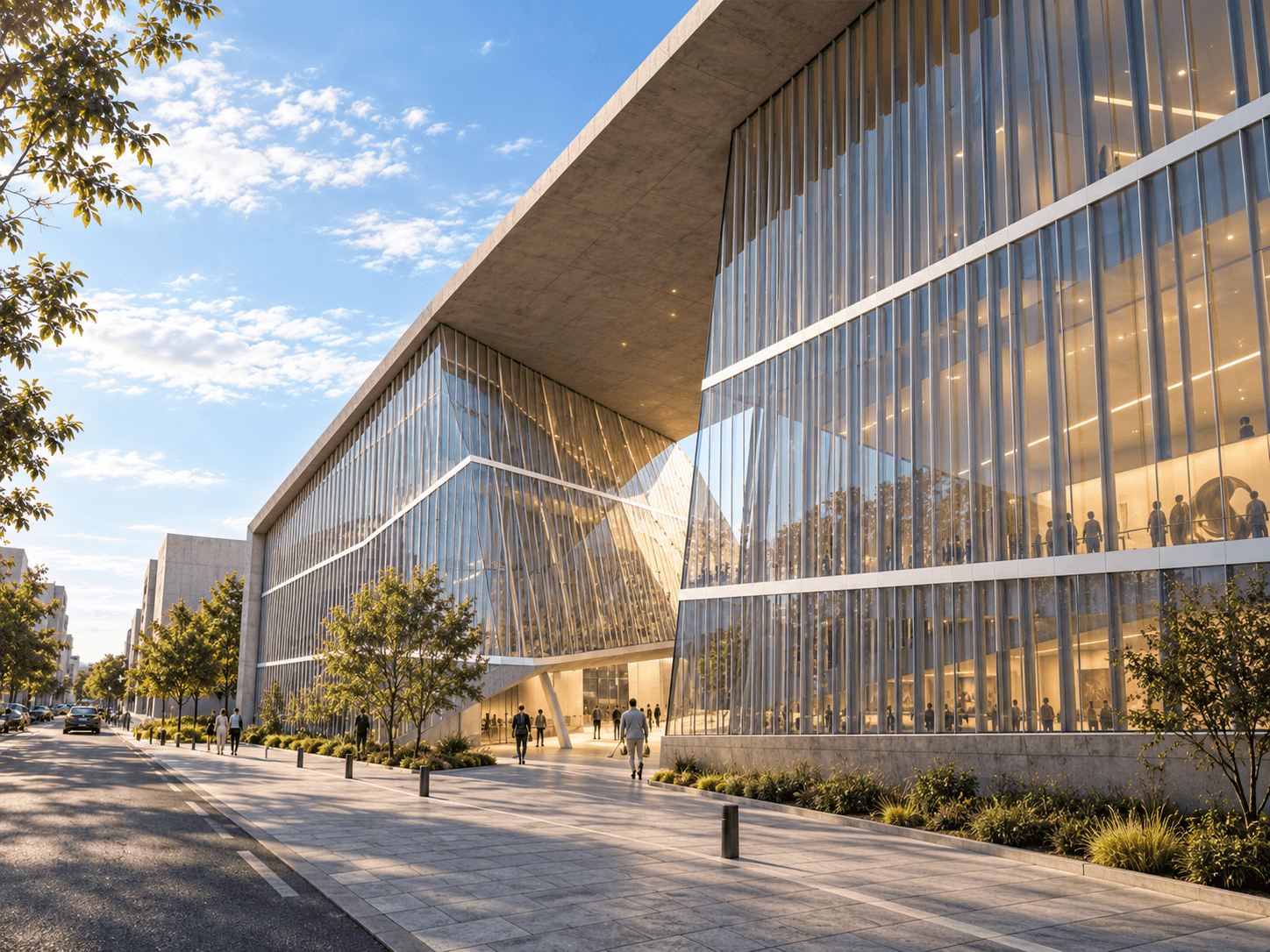
CONTRADICTORY FORMATIONS
The project site is located at the very centre of these two different and opposing conditions. While the contrast between them is clearly legible in plan, their perception from within the site is much more homogeneous. The visibility of the topography through the built fabric, together with overlapping residential structures, creates the perception of buildings that somehow coexist.
As a result, all of these contradictory conditions and physical formations—whether developed gradually over time or created through deliberate intervention—have adapted to one another without attempting to transform each other.
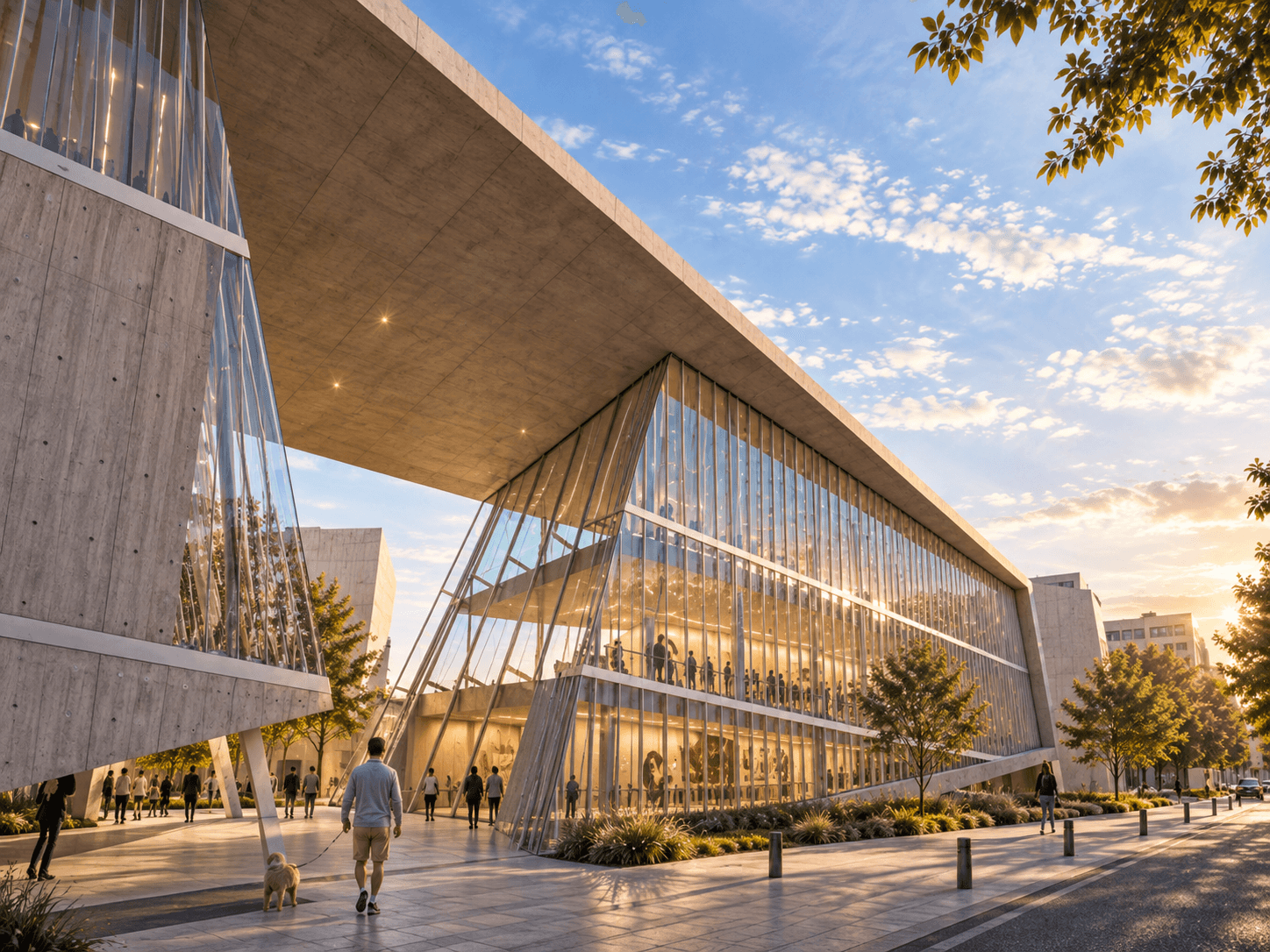
COEXISTENCE
A similar condition can be observed in the social structure of Balat, where communities of different religions, languages and ethnic backgrounds have lived together for many years. Their coexistence, while preserving their own identities and characteristics, reinforces the same idea of contradiction without deformation: different elements coming together without losing their essence.